Steven Harrington is an artist, designer and entrepreneur. Based in Los Angeles where he lives and works, Steven creates his signature symbols, patterns and characters in a vibrant and colorful Californian palette inspired by his native environment. Known for his collaborative work with a number of companies, including Generic Surplus with whom he has just designed a sneaker, Steven also heads his own creative studio, National Forest, from which he operates on a day-to-day basis. Most recently, Steven's exhibition, Insideout, has opened at L.A.'s Known Gallery, and brings together an extensive array of prints, paintings, sketches, objects, sculptures and more. We caught up with the prolific artist for a chat to coincide with the exhibition.
POST NEW: Where do you call home and what is the best thing about where you live?
Steven Harrington: I live in the hills of South Pasadena, a suburb of L.A. I grew up in Southern California and its landscapes and mystique have been very influential in my work. I find the vastness of Los Angeles extremely charming: the weather is radical year-round, and there are always new destinations to be discovered. The ocean and the mountains are just a short drive away and the mix of cultures here is epic.
PN: How do you spend a usual day?
SH: I spend most of my weekdays at National Forest, the creative studio that I co-own and operate located Los Angeles, California, but the days are rarely usual. Sometimes I’m tricking out pieces with neon spray paint, sometimes I’m screenprinting posters, sometimes I’m working for clients, and sometimes I’m working on a T-shirt graphic or art for ourselves, it all depends on what projects are on deck. I also make sure to spend several days of the week concentrating on personal projects and focusing on ‘art time.’ On the weekends I just try to be outside as much as possible.
PN: What artists inspired you when you were growing up?
SH: My mom, first and foremost. And there are a handful of people I seem to turn to repeatedly, like Hemmingway, Bill Withers, Milton Glaser, Claes Oldenburg, K. Haring, and Tadanori Yokoo. Their work is timeless.
PN: Your aesthetic is quite unique, can you please describe your style of work in your own words?
SH: A lot of my work revolves around the idea of community, and feelings of connectedness. It’s why I like making things with my hands, objects that are tangible and can really convey those feelings of human interaction. I want my work to spark something in whoever’s looking at it. I’m not sure I could describe my own aesthetic because it’s such an intuitive process, but those are the ideas that inform every aspect of it.
PN: What inspires you on a daily basis now?
SH: Inspiration can come from just about anywhere. Lately, I’ve realized how important it is to get out of the studio. Without outside stimulation you can just spiral into the process of creating. You can end up making art about art which isn’t exciting for anyone. Just being out in the world is inspiring, whether it’s catching a few early morning waves at the beach or taking a road trip to the desert or simply riding my skateboard to the liquor store on the corner. Those everyday human experiences end up being really meaningful.
PN: What was the motivation to pursue art as a career?
SH: I’ve always drawn or painted for as long as I can remember. Constantly making things is just a part of who I am, and it holds a lot of significance in my life. Using art to explore the big questions and reflect on what’s really important keeps me grounded as a human being. That just naturally turned into what I do for a living.
PN: You have recently done a lot of work with Generic Surplus, can you talk about the project and how you approached a new medium like footwear?
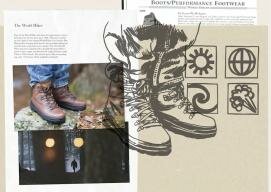
SH: Getting to work with Generic Surplus has been really new and inspiring, especially being able to build a product from the ground up. When I put my name on something as an individual, it’s really important to me that I believe in it, that the product is well-crafted and the company behind it is ethically aligned with how I view the world. Partnering with Generic just seemed perfect in that sense. Creating a shoe was something entirely new for me, so it was about considering what the perfect shoe would be, but also creating a story to go with it.
PN: What do you think about the art scene at present?
SH: I’m still trying to figure it out to tell you the truth. I’m always trying to figure that question out. Los Angeles is so gigantic and vast and massive that there really is no one pocket or ‘scene.’ I get excited about anyone excited about making work so it’s all over the place for me!
PN: Who is your favourite artist out there at the moment?
SH: David Byrne
PN: How important is fashion to you?
SH: I consider fashion its own form of art. In my work, I think about making things with my hands, creating sculptures and artifacts that future generations might discover and ponder. And I definitely think fashion falls into that realm. I mean, think about the last time you were in a museum. There are almost always articles of clothing--moccasins, dresses, jackets--items that have stood the test of time and inform us today about what that particular era was like. They reside next to paintings, drawings, and pottery and they truly belong there.
PN: How does travel inspire you?
SH: Just traveling down the block from my studio can be inspiring, so really getting out of town can be life-changing. It’s easy to get wrapped up in the comfort zone of home, and what’s familiar so to travel somewhere new and gain a fresh perspective is invaluable.
PN: Where is the best place you visited?
SH: A few years ago I took a three-week trip with my brother to Japan and Thailand. It was a culture shock in the best way possible. The difference in transportation alone--traveling by tuk tuk or elephant back instead of by car--was a total mindblower. Both of those countries are incredibly beautiful and immersing myself in life on the other side of the planet was really inspiring.
PN: And the worst?
SH: I think there’s something good to be found in any sort of travel. Even a trip that doesn’t seem so great can introduce you to something amazing, like a delicious bowl of ramen you never would’ve had, or that rad, weird souvenir you stumbled upon at an out-of-the-way thrift store. The places you go are really what you make of them.
PN: What does the future hold for Steven Harrington?
SH: What doesn’t it hold? I’ve got a big show, Insideout, at Known Gallery in Los Angeles that I’m really excited about. I’m putting a lot of new work out there and I’m stoked to see how people vibe with it. Other than that, a whole lot of living and making.
James Oliver
Photographer - Clément Pascal
end